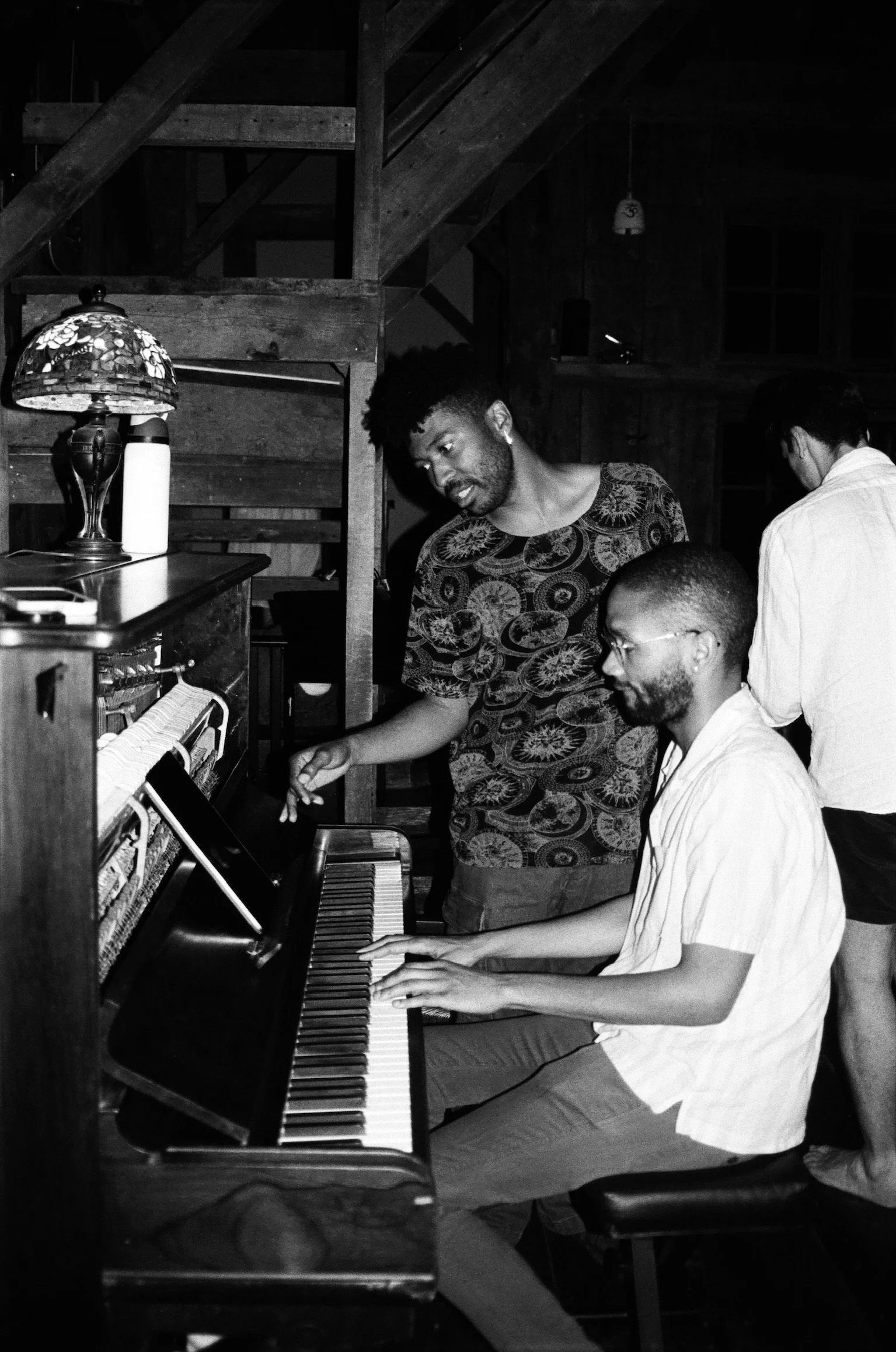
Jubilee
May 31st, 2026
Plymouth Church, 75 Hicks St,
Brooklyn, NY 11201
Program
a meeting place
Kenyon Duncan
“…careful attention must be paid not to fill the space, but to hold it…
…the focus here is less on being heard…there are no words or syllables…in the improvised timbral and rhythmic conversation…
…Each singer is free to improvise timbrally…to show up in whatever way feels individually comfortable in order to contribute to the creation of…open spaces for the ensemble to check in with itself…”
Excerpts from the performance notes:
A Glass of Rain
music by Jerome Walker | text by Kite Shepherd
Think of rain,
a glass of rain.
That will be the rain
that makes us better.
Though the kitchen light
is grey, and the lemonade
is almost gone.
Think of rain.
A finch glimmers in the window,
more branch than bird.
I hear the day from which it came—
A glass of rain, a glass of rain.
I hold a night-blue bowl
of lemons, a knife
over a wet ceramic plate. And
rain, a glass of rain.
I eat the slices with the seeds.
I think of lemons made
of rain, and salivate.
That will be the rain
that makes me better.
In the yard, the daffodils
are sagging, breaking rain-bags
on their necks, filling up
Our glass of rain.
But they don’t feel a thing.
They only sense a green caress
along their spines, whispering
This will be the rain
that makes us better.
The air rain doesn’t slant,
the finch light doesn’t wash,
the wash I cannot name:
this will be
my glass of rain.
everything that holds us
Kenyon Duncan
I asked more than 80 10-12 year olds: What is freedom? And what they told me informed the lyric of this piece, which is collaged from their responses.
One of them wrote, “I feel free when I am listened to” and the music that began to take shape around that response became everything that holds us. This piece is a celebration of space — everything that is open-ended, interstitial, and unseen. A single melody emerges from shifting harmony, calling for us to acknowledge “the space between us.” These spaces are openings, not absences. They resonate. Invisible connections form when we listen to each other.
through an open window
or on an empty page
there’s something in between us.
letting out
is letting go.
listen to the space between us.
there’s something being born within us:
a way to Love.
I think freedom dreams of everyone,
and dreams don’t have to stay inside.
I’ll let them jump and swim and glide
their way to you. we’ll sing the tide
of everything that holds us
through an open window
or on an empty page
there’s something in between us.
letting out
is letting go.
can’t you feel the space that joins us
there’s something in the air that holds us
there's something in between us
Love
The Parting Glass
Trad. Irish and Scottish | arr. Kenyon Duncan
Of all the money that e'er I had
I spent it in good company
And all the harm I've ever done
Alas it was to none but me
And all I've done for want of wit
To mem'ry now I can't recall
So fill to me the parting glass
Good night and joy be to you all
So fill to me the parting glass
And drink a health whate’er befall
And gently rise and softly call
Good night and joy be to you all
Of all the comrades that e'er I had
They're sorry for my going away
And all the sweethearts that e'er I had
They'd wish me one more day to stay
But since it fell unto my lot
That I should rise and you should not
I gently rise and softly call
Good night and joy be to you all
how would you have us
music by jerome walker
how would you have us is a song cycle of original music featuring text written one hundred years ago by Black American authors. The poems, novels, essays, plays, pamphlets, and stories adapted here were almost all written between 1892 and 1929 through the early years of the Harlem Renaissance. The piece cites some of the more famous names we remember from this era, like Langston Hughes, Paul Laurence Dunbar, and Ida B. Wells alongside authors whom I first encountered in my research for this project, like Jessie Fauset, the longtime literary editor of the NAACP magazine The Crisis, or Marita Bonner, whose early plays and essays published in The Crisis became central moments in this work.
There are a few exceptions to the provenance of the music and text. “lift every voice” is a reharmonization of a hymn written by J. Rosamund Johnson. He adapted a poem written by his brother, James Weldon Johnson, that was first recited by Black schoolchildren in Jacksonville, Florida in 1900 for the celebration of Lincoln’s birthday. This hymn, “Lift Every Voice and Sing,” was named the Negro National Anthem by the NAACP in 1919.
This piece includes an interpolation of “The Laughing Man,” a song written and performed by George Washington Johnson. First recorded in 1890, “The Laughing Man” was Johnson’s follow-up to his first record, “The Whistling Coon.” Both songs notably used non-singing musical sounds (laughter and whistling, respectively) and through the 1890s became the very first popular music recordings in the United States, with “The Laughing Man” advertising over 50,000 copies sold. Reproduction of phonograph records would not become possible until the very beginning of the 20th century, which meant that Johnson had to record these songs thousands of times to create the many phonograph cylinders. He did not own the masters to these songs and was not paid any royalties beyond the ~20 cents Black musicians were offered per recording session at the time.
Two poems in the piece (“Mom Flower” and “Where Poems Hide For Me”, which are used in “garden” and “not in my day” respectively) are from my fourth grade English class journal. I wrote them during our poetry unit in May 2007; I was 9 years old.
I am writing this piece during a time often described, culturally and politically, as unprecedented. Feeling sufficiently discouraged and fatigued by that description, I have searched for some kind of precedent to wrap my head around. The Harlem Renaissance, which began about sixty years after the Emancipation Proclamation and the end of the Civil War, drew a neat parallel to our current time, sixty years after the socially upending wake of the Civil Rights Movement(s) of the 1960s. I am uplifted and transformed by the century-old words I’ve encountered in this piece and the wisdom that these people had for themselves and for us. Through amplifying and engaging with their texts, I want us all to think about the vision we have for ourselves and for those who come after us.
irene…………Kiena Williams
ardella………Allyson Kaye Daniel
august……….Troy Anthony
elias…………Stephen Scott Wormley
alex………….Kenyon Duncan
Cast
prance, fool, prance (irene, alex, elias)
everybody loves my baby — texts by paul laurence dunbar and langston hughes (august, ardella)
brown girl — texts by countée cullen and langston hughes (ardella, august)
irene — text by nella larsen (irene)
jungle jangle i — text by nella larsen (all)
club scene — text by wallace thurman (all)
anne grey — text by nella larsen (irene)
heave ho (duet) — texts by paul laurence dunbar and richard bruce nugent (alex, elias)
brown girl/brown boy — texts by marita bonner and countée cullen (elias, ardella)
jungle jangle ii — text by nella larsen (all)
garden (solo) — texts by jerome walker (2007) and james weldon johnson (all)
sphinx — text by james weldon johnson (ardella, irene, august, alex)
dream variation — texts by langston hughes (all)
to america — text by james weldon johnson (all)
funny man — texts by jessie faucet and james weldon johnson (all)
the laughing song — music, text and performance by george washington Johnson
suffered much suffer more — texts by ida b. wells and james weldon johnson (ardella, irene)
not they who soar — text by paul laurence dunbar (alex)
prance, fool, prance (reprise) — texts by marita bonner and helene johnson (irene, alex, elias, august)
civilization — texts by paul laurence dunbar and ida b. wells
garden — text by jerome walker (2007) (all)
blue — texts by richard bruce nugent and zora neale hurston (august, alex)
the road — text by helene johnson (alex)
the clearest pool — texts by marita bonner (all)
lift every voice — music by j. rosamund johnson, texts by alain locke (all)
heave ho — text by paul laurence dunbar (all)
not in my day — texts by marita bonner, booker t. washington and jerome walker (2007) (all)
Order of Show:
About the Artists
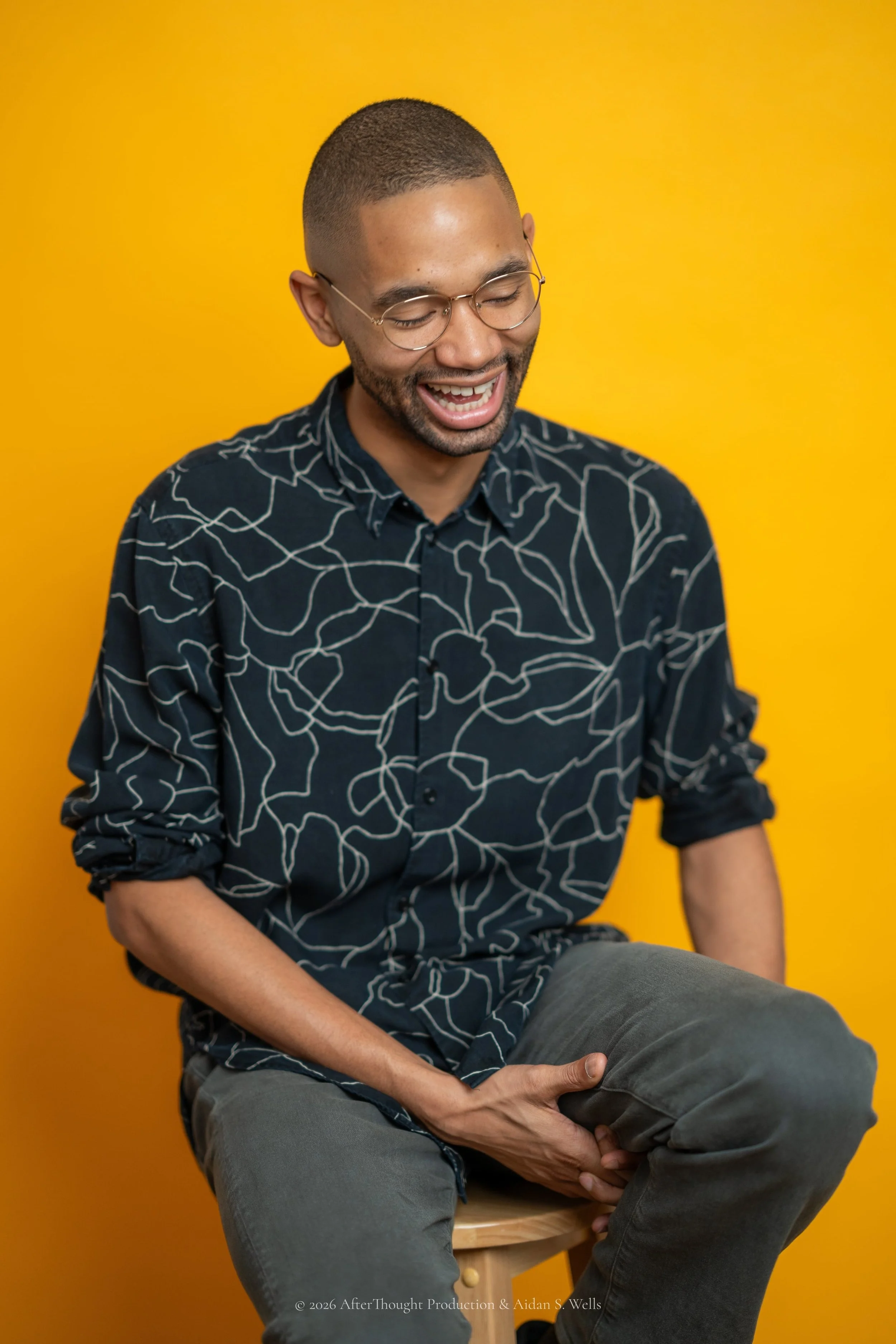
Jerome Walker is a composer, pianist, singer and educator originally from Washington, DC and currently living in Brooklyn, NY. Writing primarily for theater, he has written music and lyrics for two musicals with playwright Noah T. Parnes: What Comes Next, his undergraduate thesis at Yale, and Something in the Water, both of which received workshop productions at Phillips Exeter Academy. His work centers queer stories and seeks to bring new vernaculars to the stage. how would you have us was written this past year as his thesis project at the Graduate Musical Theatre Writing Program at NYU. He has taught middle and high school choir, music directed one-woman drag shows and poc-led cabarets, and written and arranged music for New York City Center, the Princeton Playhouse Choir, the Trenton Youth Singers, and Touch of Blue: New American Vocal Ensemble. @bonhumora
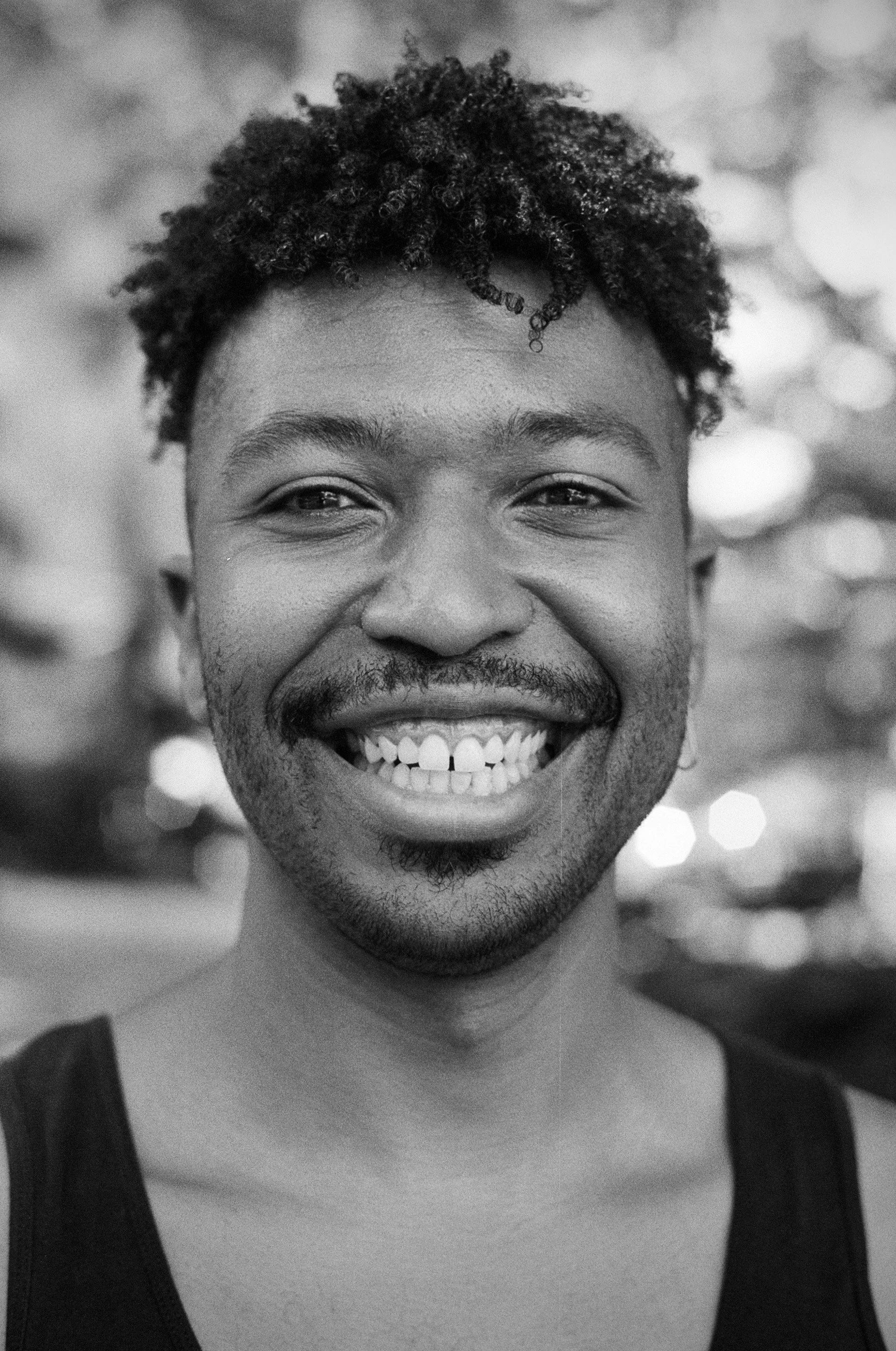
Kenyon Duncan is a Brooklyn-based musician from Northern California. He likes to make noise. Recent work includes commissions from the Princeton Playhouse Choir & Orchestra and the Brooklyn Youth Chorus, as well as performances with Jeanine Tesori at Lincoln Center and FORAGER on NPR’s Tiny Desk. Kenyon is the co-conductor and arranger for the Brooklyn Choir Project, an 85-voice ensemble that celebrates the music of local independent artists. A sought-after collaborator, Kenyon’s contributions as a vocalist, pianist, and producer are featured on multiple records, and he is currently developing a solo recording project. His artistic development has been supported by residencies with the Avaloch Farm Music Institute and the Gabriela Lena Frank Creative Academy of Music. Kenyon holds a B.A. in Computing & The Arts from Yale University. (@kenyonduncanmusic)
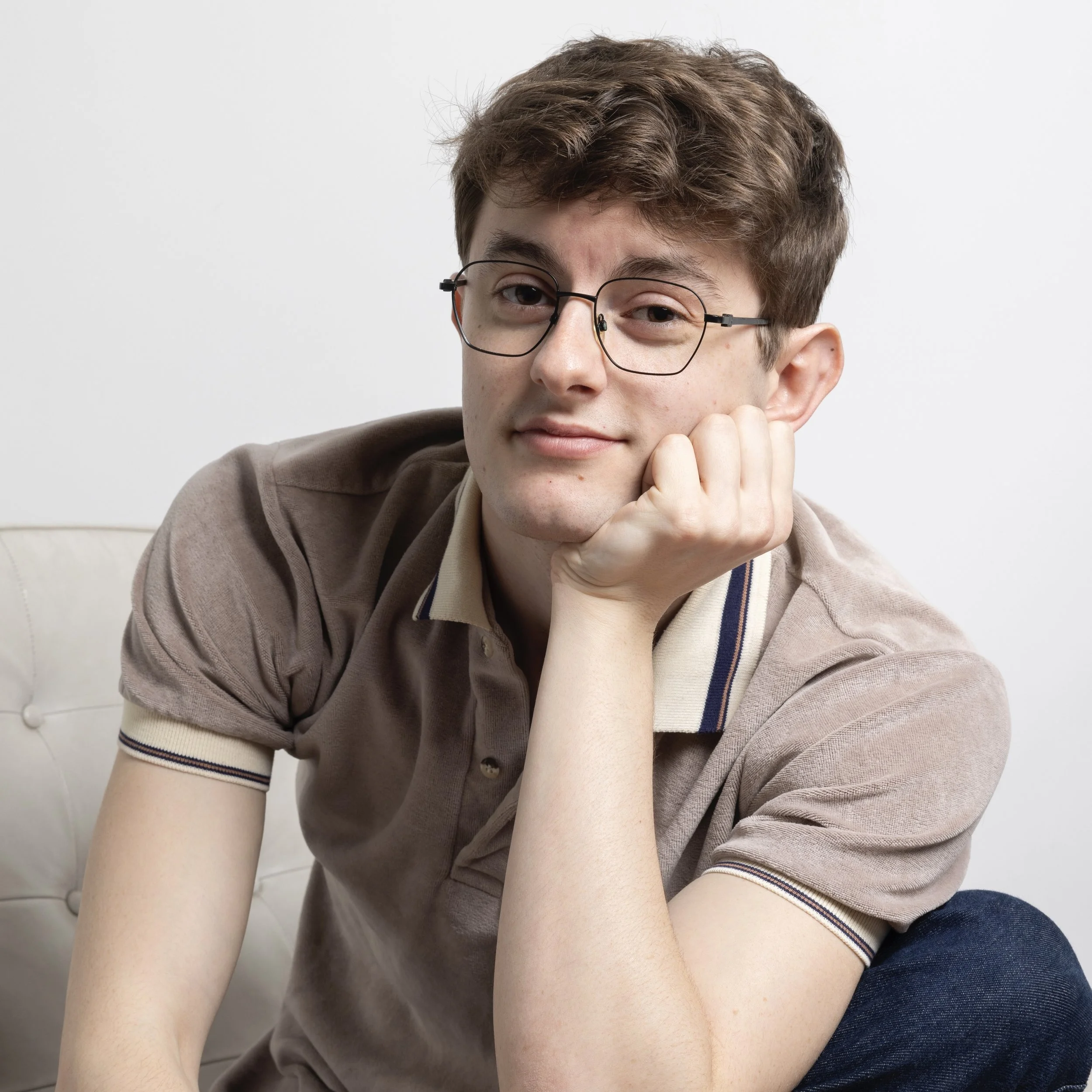
Noah T. Parnes is a Brooklyn-based playwright and screenwriter, interested in exploring queerness onstage and experimenting with conventional structure. He is so grateful to be a part of Jubilee, particularly because he hasn't sung with his wonderful friends in so long! What a joy, truly. He's going to make a website really soon, he promises. Here's his Instagram though: @noahtparnes (shocker).
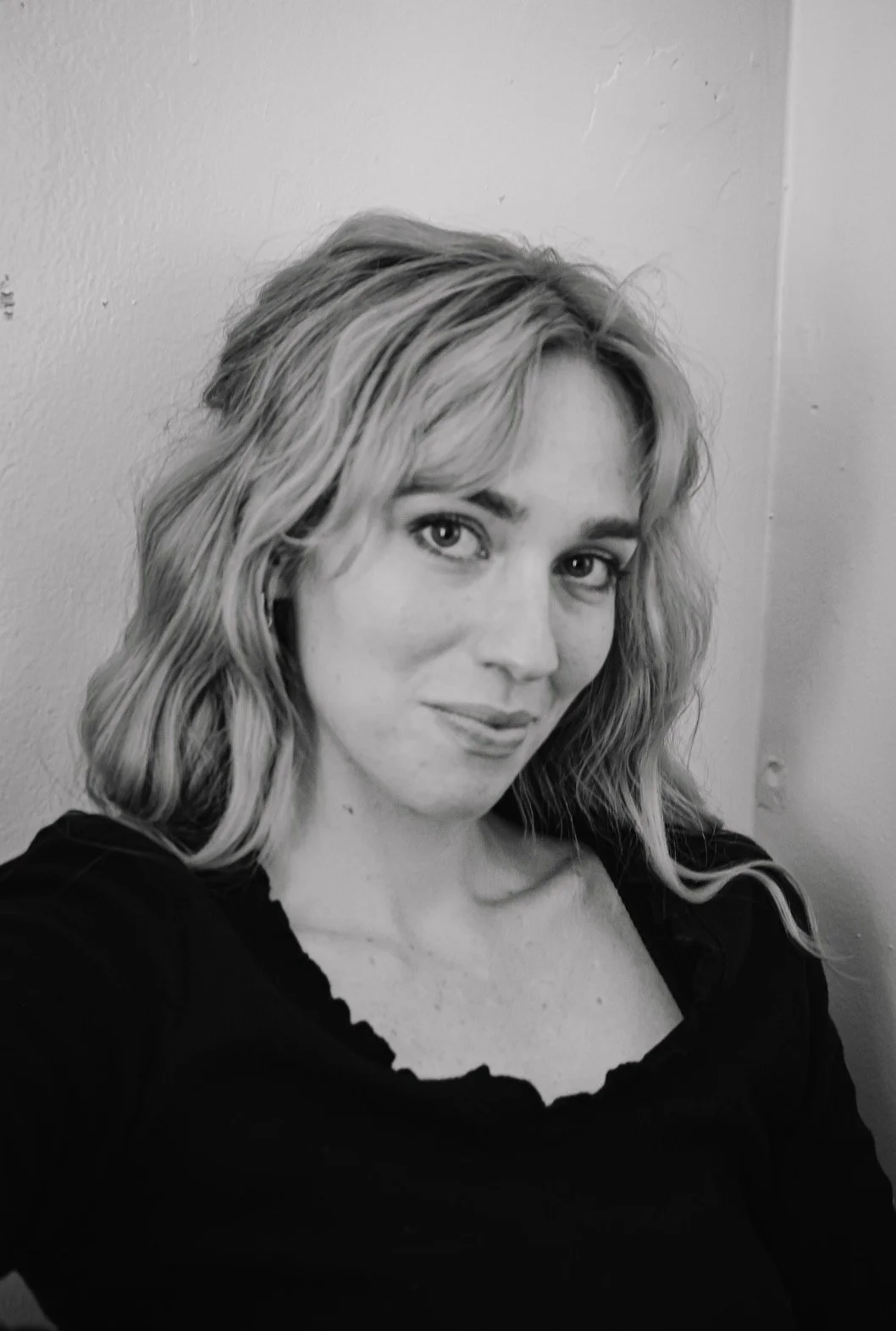
Carly Wood is an artist, musician, and songwriter from Portland, Oregon. She graduated from UCLA in 2022, where she studied musical theater and music directed the a cappella group, The ScatterTones. Today, she finds herself particularly drawn to group singing, painting, spider webs, leaves, and all kinds of birds.
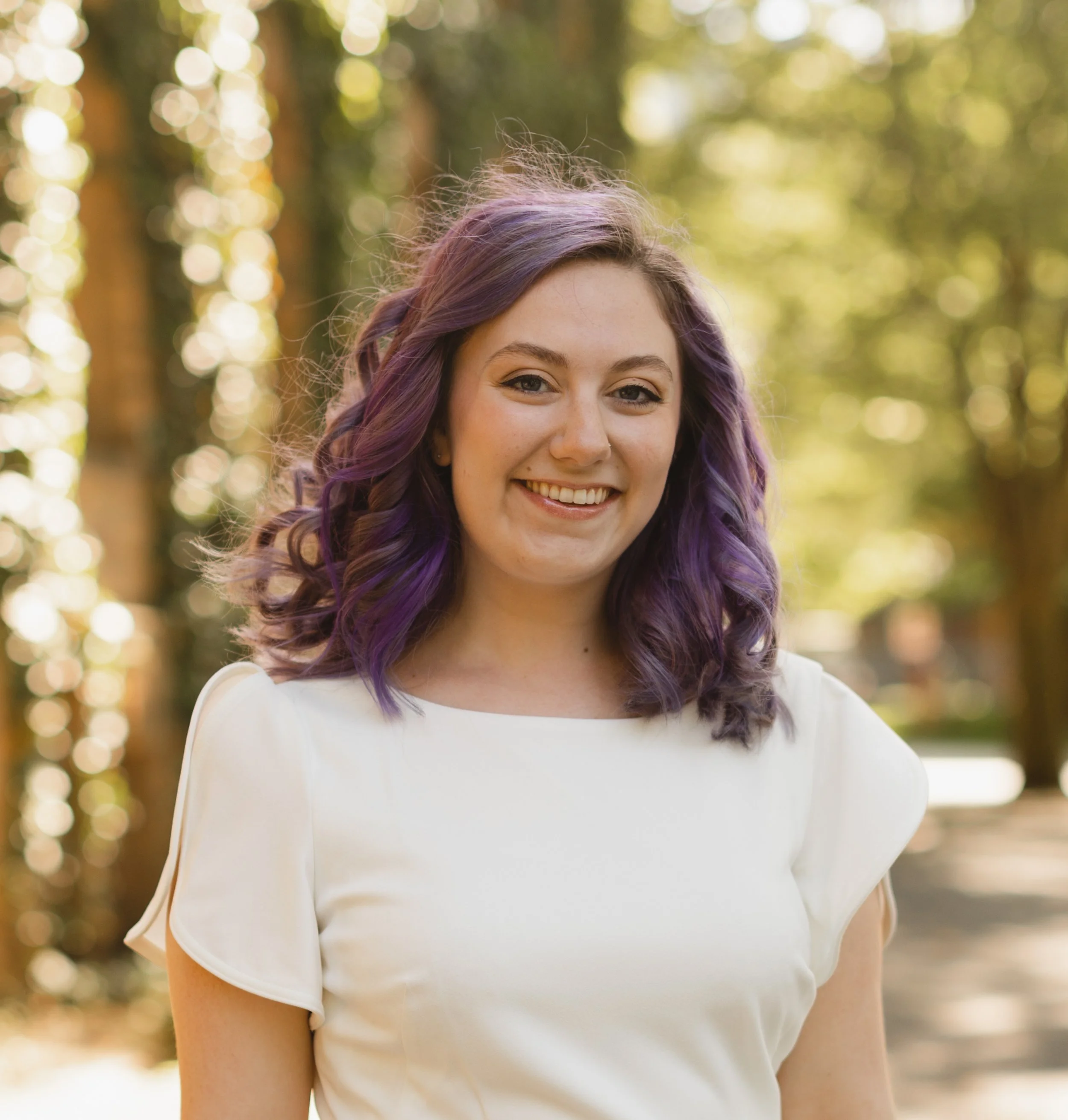
Halle Mitchell (they/she) is a composer, lyricist, music director, arranger, and orchestrator based in New York City. Halle recently completed their M.F.A. candidate in Musical Theatre Writing at New York University and is a graduate of Princeton University. Halle has music directed and has their work performed at venues such as Green Room 42, 54 Below, and the Cutting Room. They also perform original music and covers at venues around the city. Follow @halle.k.mitchell and @gaeaandhallemusic on Instagram for updates!
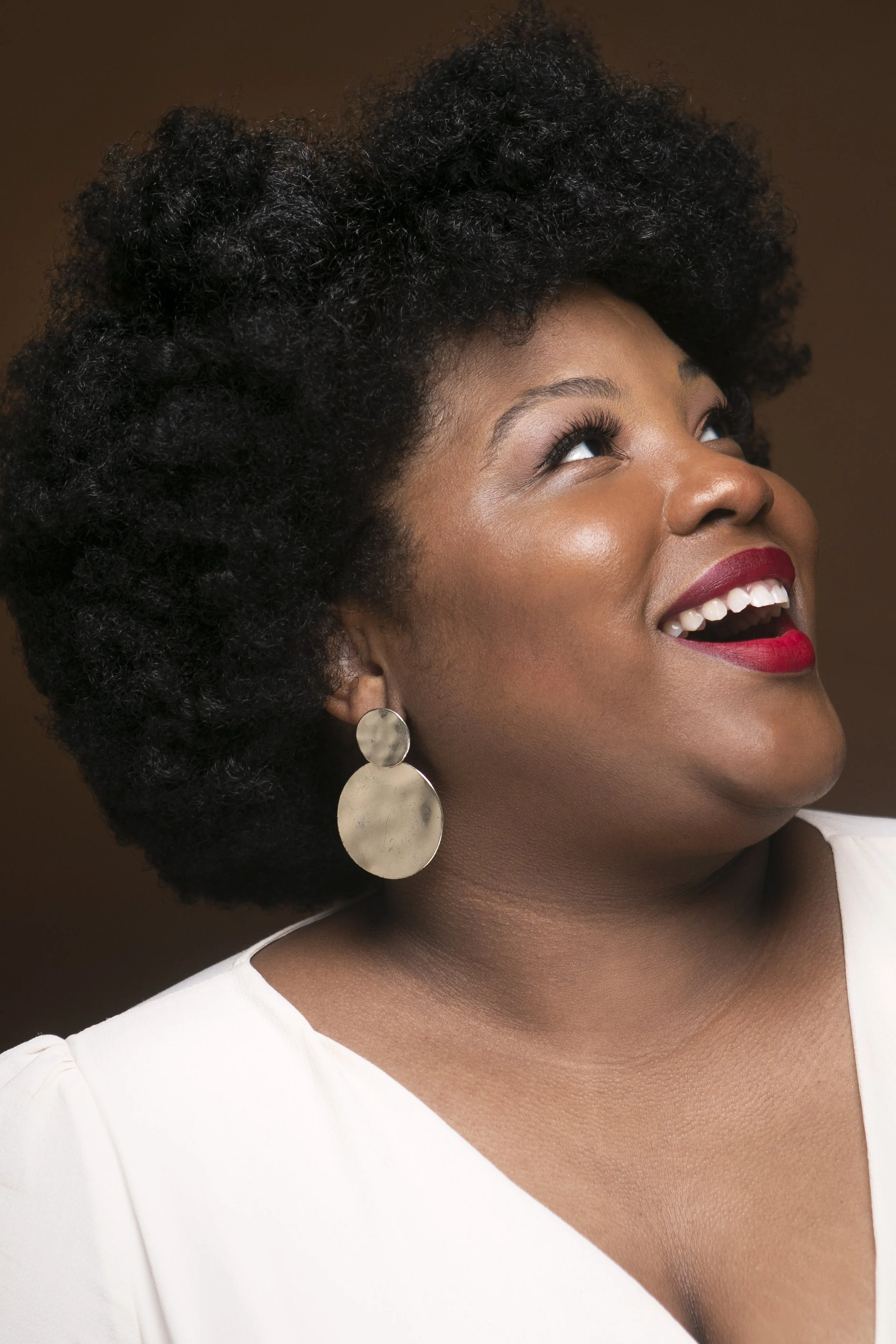
Brooklyn native Kiena Williams is a passionate and dedicated vocalist, choral conductor, clinician, and educator. A versatile artist, Kiena has captivated audiences domestically and internationally as a featured soloist, chorister, and recording artist, seamlessly navigating opera, concert works, and contemporary collaborations. She is deeply committed to fostering artistic growth and empowering students through functional voice training and the co-creation of culturally competent and safe learning environments. Kiena currently serves as a Conductor at the Grammy Award-winning Brooklyn Youth Chorus and as adjunct Vocal Faculty at The Calhoun, Trinity & Village Community Schools, alongside her work as a freelance conductor and teaching artist throughout New York City. Kiena also contributes as a clinician and guest conductor with the Carnegie Hall Music Educator’s Workshop in addition to her work with Elevate Vocal Arts as a Vocal Artist & Mentor. Kiena Williams is a proud alumna of the Fiorello H. LaGuardia High School of Music & Art and Performing Arts and The Pennsylvania State University, where she received her Bachelor of Arts in Music. Keep in Touch at kienawilliams.com
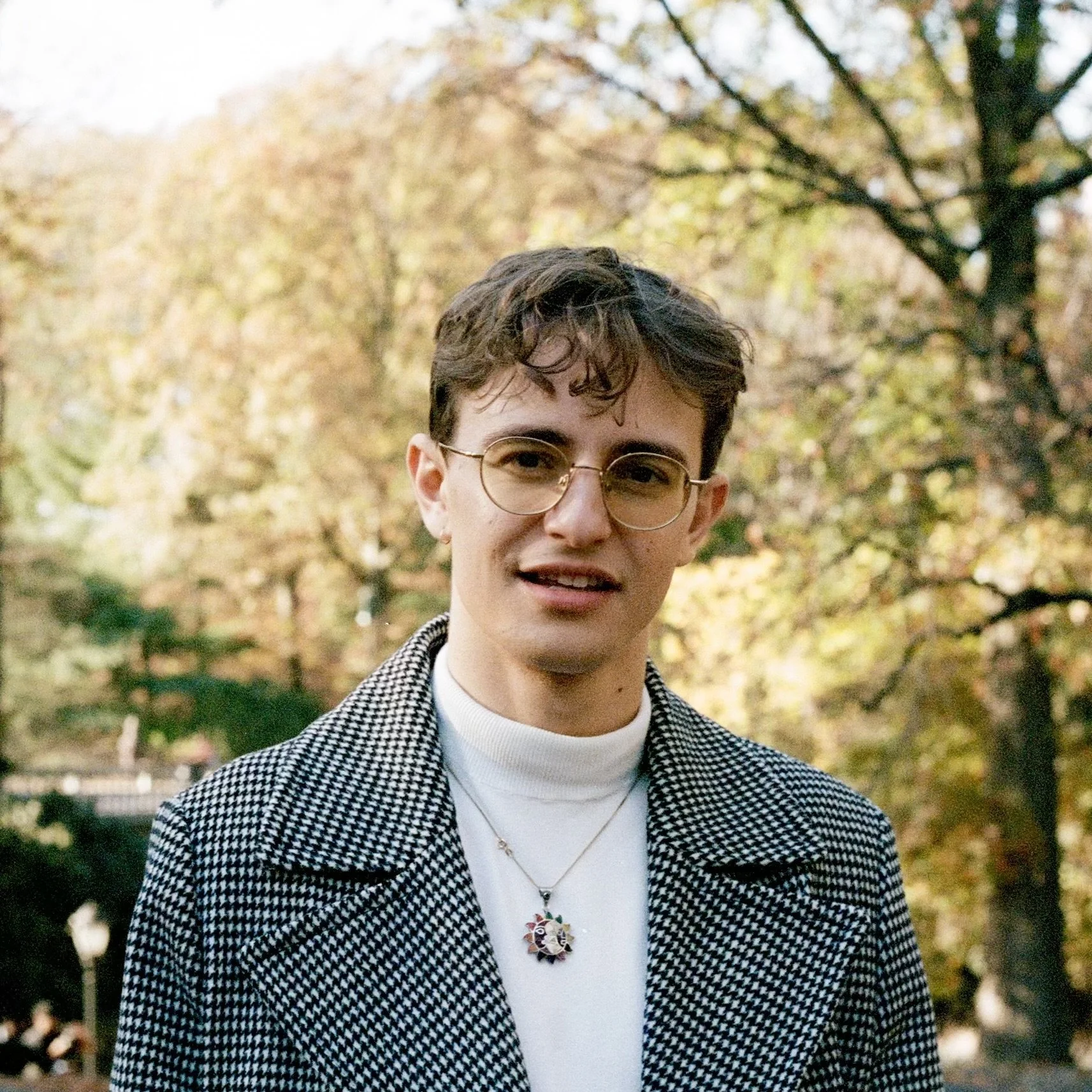
Kite Shepherd (@kiteshepherd) is a poet, musician, and collagist based out of Brooklyn, New York. A graduate of Yale College, Kite’s poetry has been featured in Soft Punk Magazine, Sugar House Review, and the Yale Literary Magazine. His latest single and debut music video, “Goth Girls on the Upper East Side,” were released in May 2026. He feels honored to be a part of Jubilee.
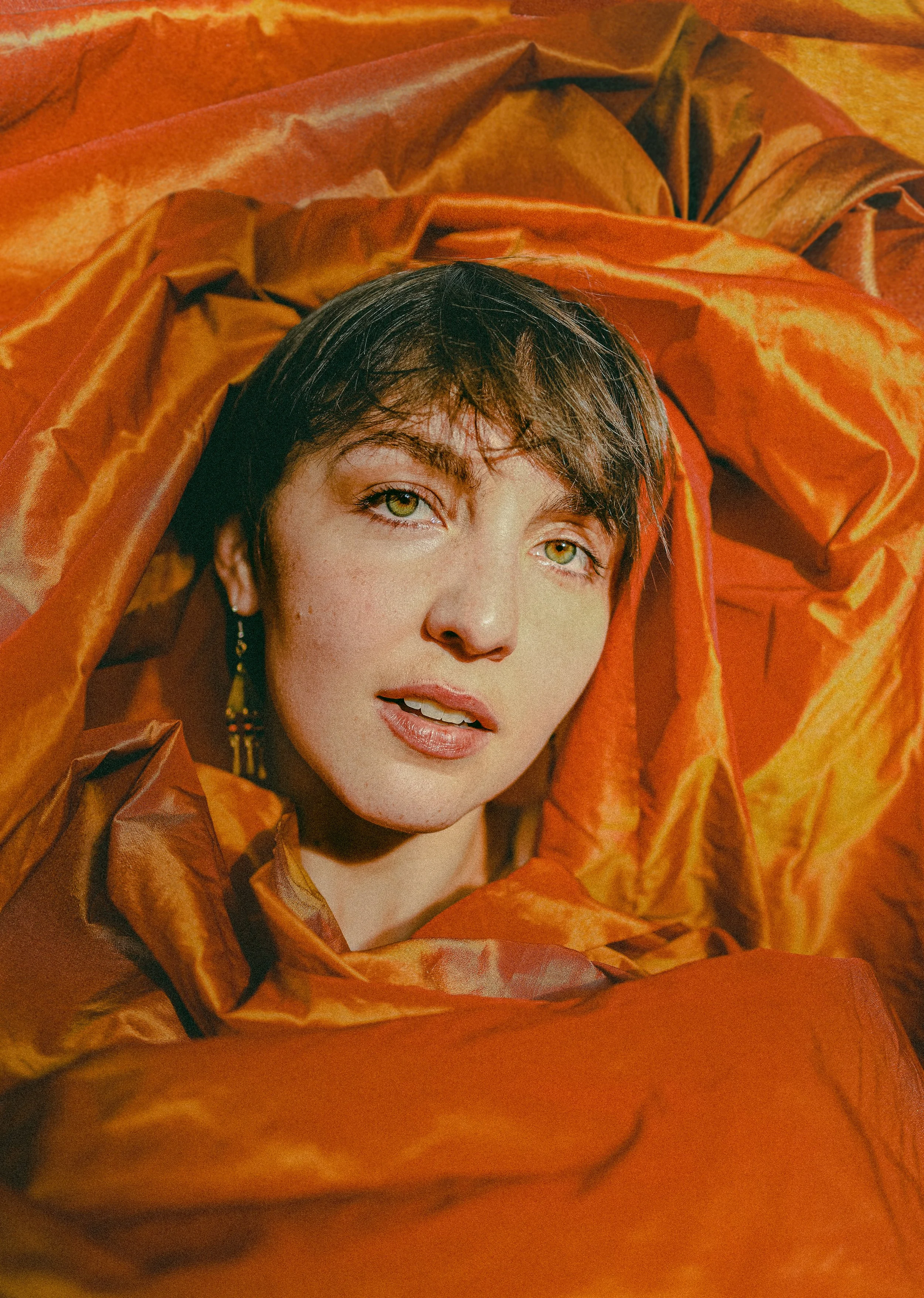
Julia Easterlin (@juliaeasterlin) is a Georgia-raised, Brooklyn-based vocalist and songwriter whose work has been recognized by the GRAMMY Foundation, the National Foundation for Advancement in the Arts, the TED Organization, and, through an unexpected series of events, T-Pain. She uses her voice, stringed instruments, and a loop pedal to create lush sonic worlds, shot through with the earthy storytelling of her upbringing on the Ogeechee river.
She has collaborated with internationally renowned artists, including UK musician Jacob Collier, Malian guitarist Vieux Farka Touré, American choreographer Bill T. Jones, and Oscar- winning film scorer Kris Bowers (The Last Repair Shop, Bridgerton). Her second studio album is currently in the works and is scheduled to be released in 2027
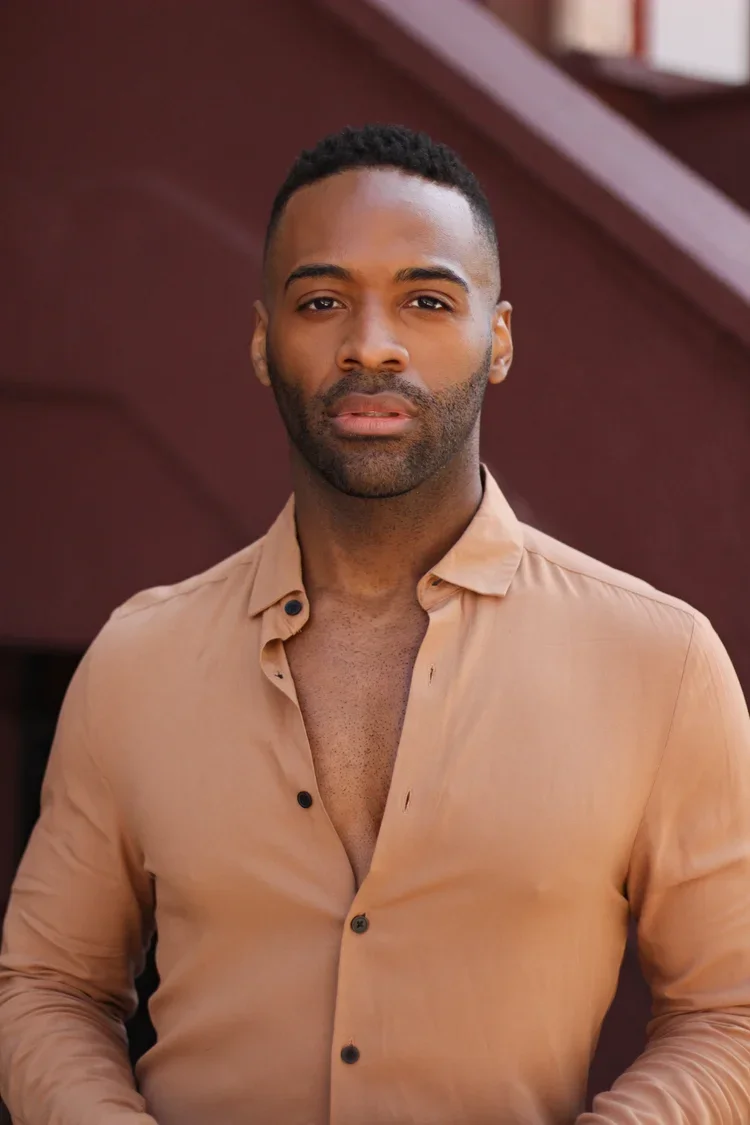
Stephen Scott Wormley is a broadway and television singer actor and dancer. www.StephenScottWormley.com / @SirStephenScott
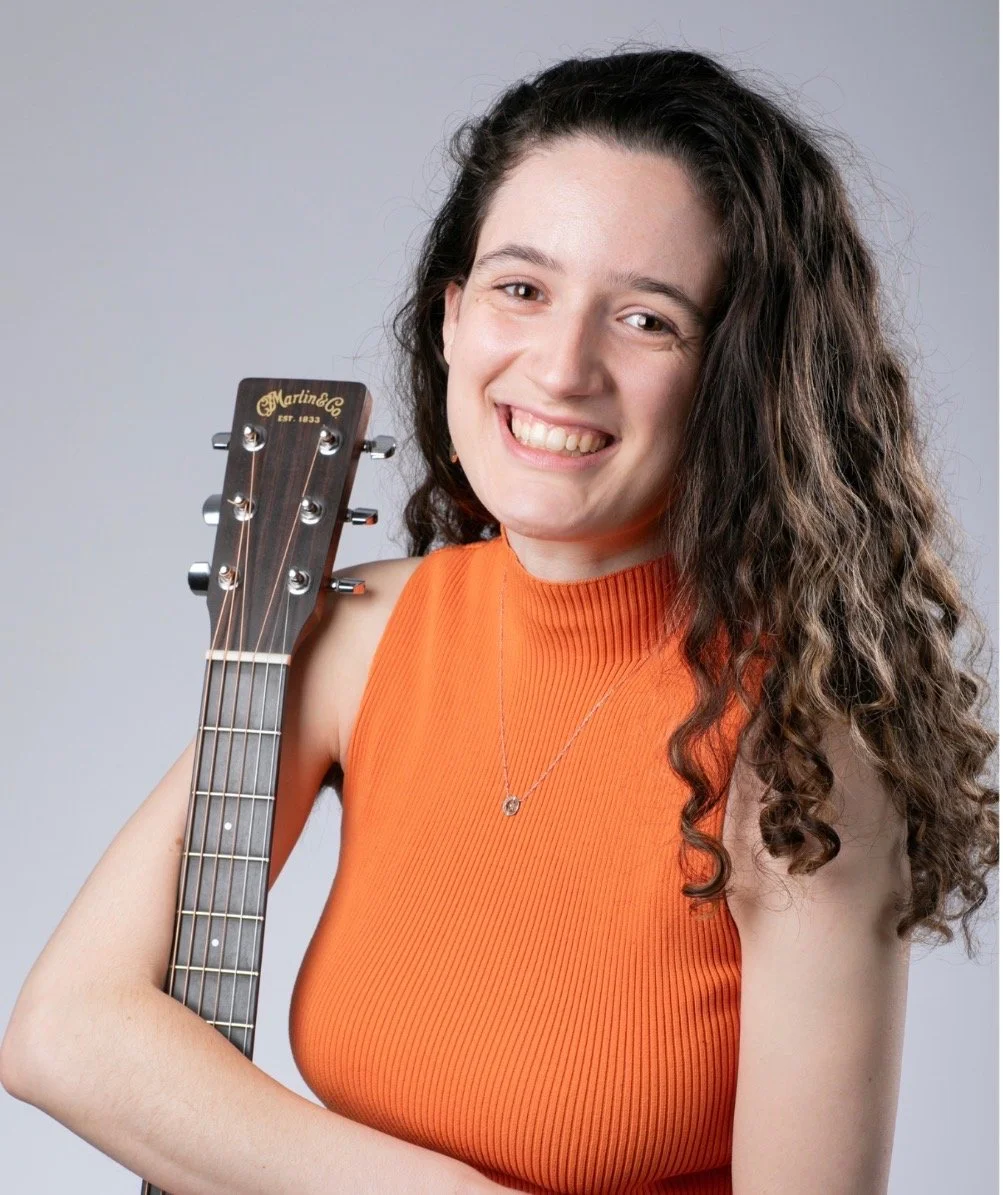
Brooklyn-based singer/songwriter Sofía Campoamor has always loved singing choral music! She performed a cappella music around the world as the first woman member of the Whiffenpoofs. Now a community music facilitator, she leads everything from Catholic masses to queer pop choirs, and tours her folk project locally and regionally. Her latest album, "with all the lights on" explores the body, delving into themes of mortality, chronic illness, and intimacy.
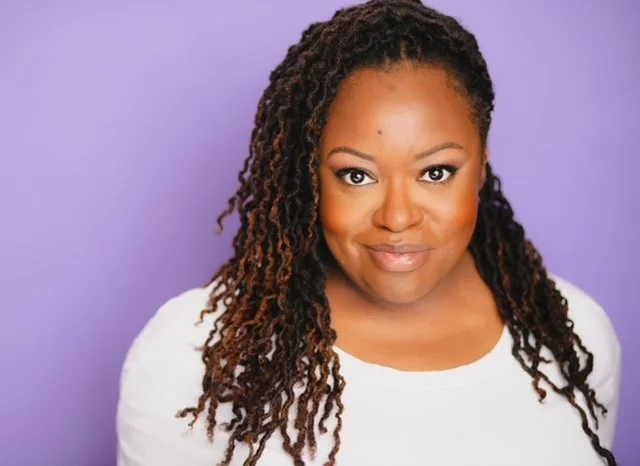
Allyson Kaye Daniel
Troy Anthony
Joey LaPlant
Nina Osso
Ben Page
Ethan Riordan
Bob Strock
Hannah Tobias
Deena Zammam
We would like to extend special thanks to Fire Ensemble, Raymond Trapp, Amy Burgess, Ben Niemczyk, Mars Grabar Sage, Jennifer Sage, Nicolas Grabar, Brooklyn Youth Chorus, Fred Carl, Brian Cavanagh-Strong, Gabriela Lena Frank, Emma Chanen, the fam, Ambo, and always 西瓜.